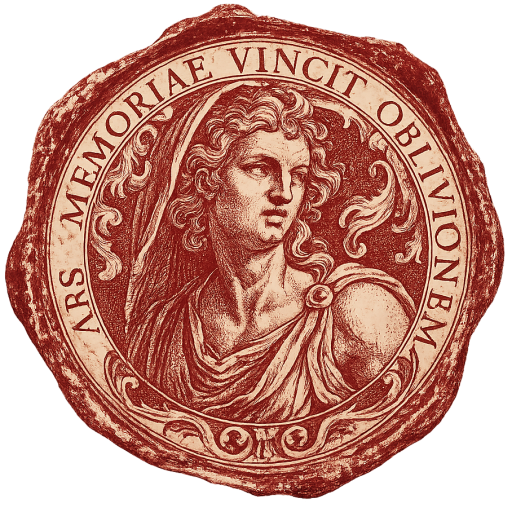

Circle of Cornelis Cornelisz. van Harlem (1562- 1638),’ Study of a Model (formerly known as portrait of Lasse Lucidor (1638–1674),’ Oil on canvas, 84 x 64 cm, The National Museum, Stockholm
The painting offers a revealing example of how misattribution can shape cultural memory. For much of its history, it was identified as a portrait of the Swedish poet Lars ‘Lasse’ Johansson (1638–1674), called Lucidor. This ascription is chronologically impossible, as the painting predates Lucidor’s lifetime, yet the error persisted through copies and engravings that came to define his supposed likeness. The result was the invention of an enduring but fictitious visual identity for the poet, demonstrating the authority of erroneous cataloguing and the role of reproductive media in fixing mistaken traditions.
The misattribution was encouraged by the painting’s typological features. Its pose, controlled expression, and antique look align with pictorial conventions long associated with the representation of poets. These generic attributes made the sitter readily adaptable to a biographical label, even where no evidence supported it. The case highlights how generic artistic types could easily be transformed into supposed portraits, complicating the task of distinguishing between imaginative studies and true likenesses in early modern art.