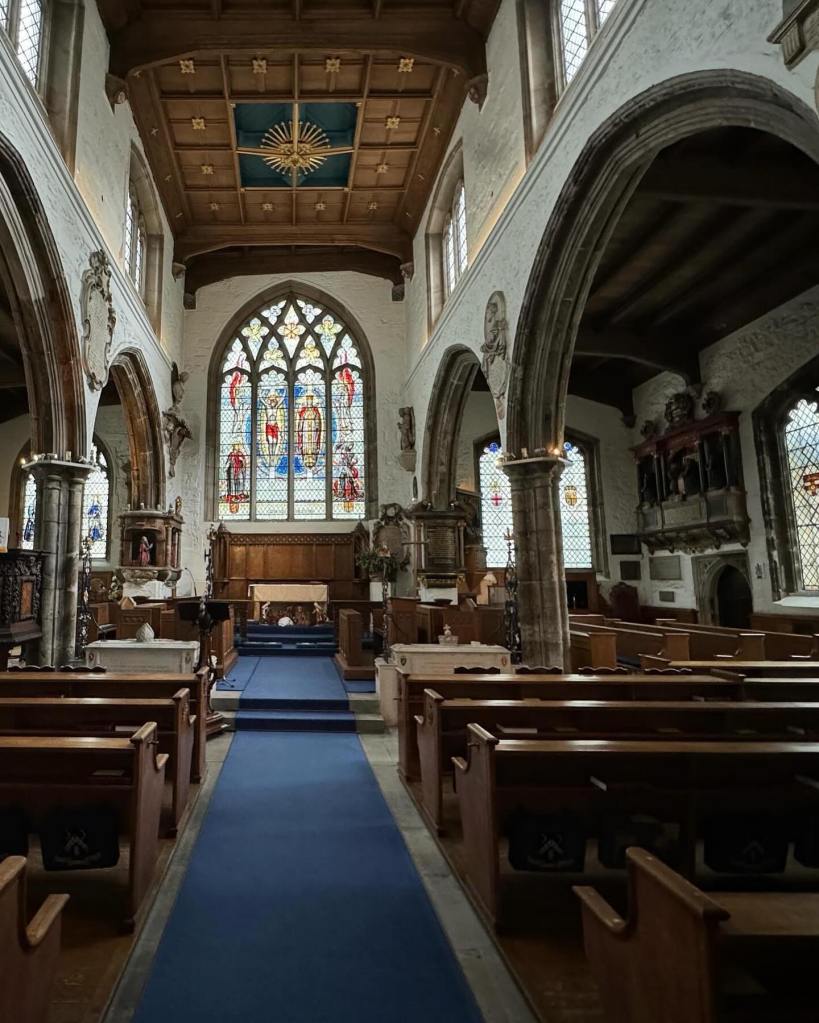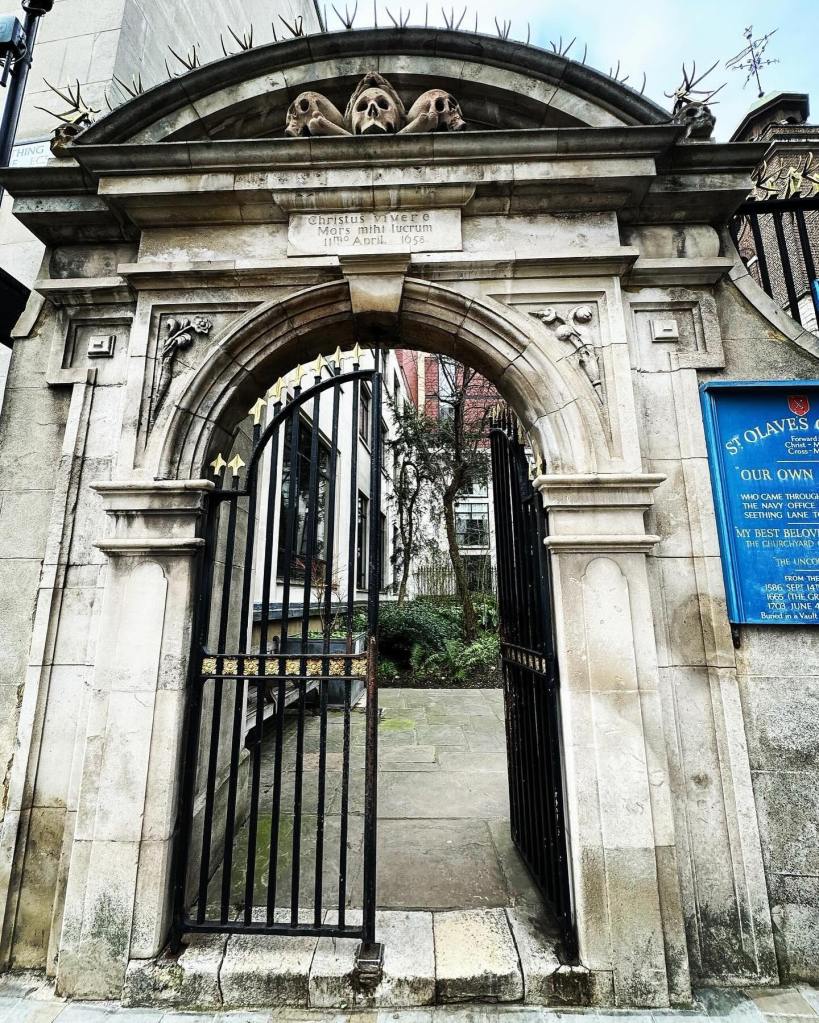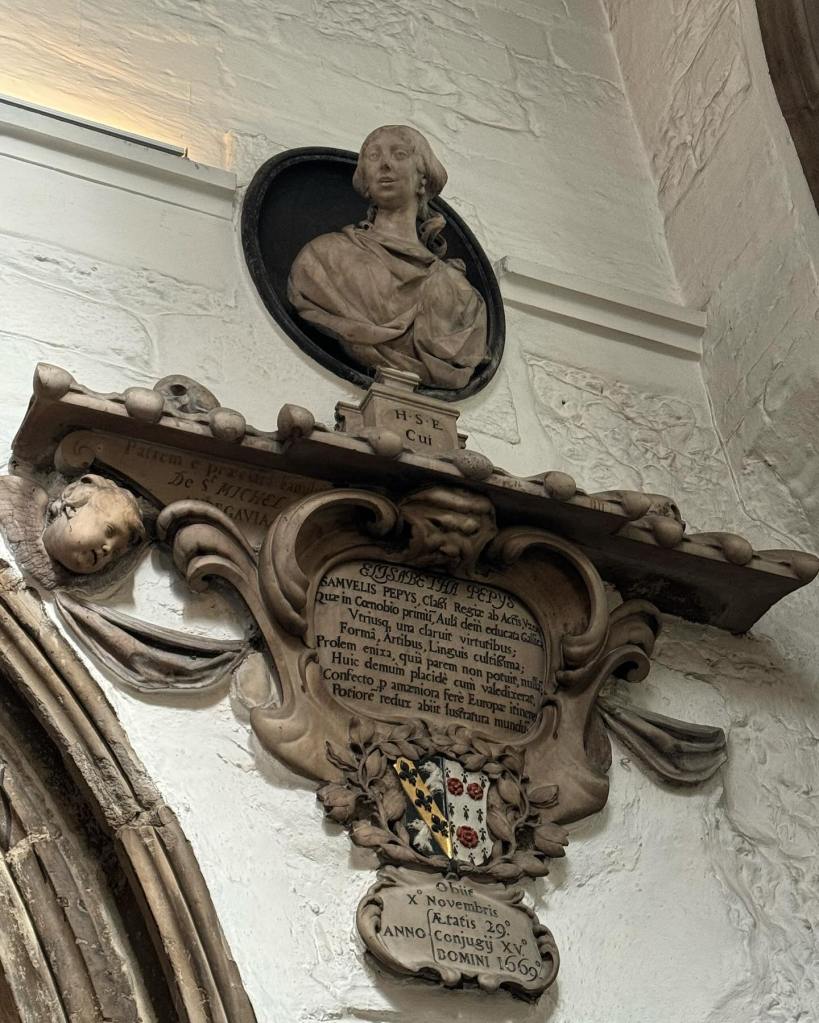
Initially built around 1050, likely as a timber structure, St. Olaf Church was rebuilt in stone in the 13th century and then again in 1450. Despite surviving the Great Fire of London in 1666, it sustained considerable damage during the Blitz of 1941. The restoration efforts that followed blended historical Gothic elements with sophisticated Tudor and Baroque wall memorials while incorporating survived furnishings from other congregations. This approach preserved a connection to the church’s storied past.
Named after Olaf II Haraldsson (c. 995 – 1030), later canonised as Saint Olaf, the church and its London location is a testament to his enigmatic role in aiding King Æthelred II the Unready during the 1014 Battle of London Bridge against the Danes. The historical accuracy of Norwegian King Olaf’s involvement in the London liberation, primarily documented by Icelandic writer Snorri Sturluson (1179 – 1241) in his Heimskringla saga, is debated due to its absence in the Anglo-Saxon Chronicle. Nonetheless, the dedication of six medieval churches to Saint Olaf in London signifies his enduring legacy. Saint Olaf’s enigmatic blend of historical, religious, and mythological folk attributes has confounded historians over the centuries. The earliest traces of a liturgical cult of Olaf are found in England already in the 11th century with prayer service, for Olaf is found in the so-called Leofric collectar (c. 1050) in Exeter Cathedral. This English cult seems to have been short-lived though